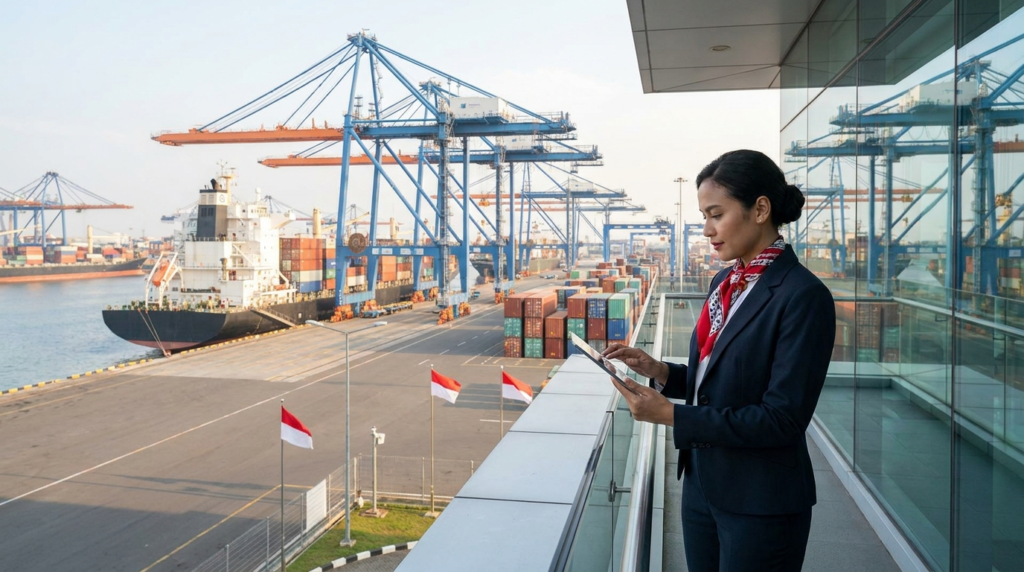
Importing into Indonesia is not a single-form exercise. A business needs an eligible Indonesian importer, the correct business activities and licensing profile, customs access, an accurate product classification, and any approvals that apply to the goods. The commercial structure matters just as much as the shipment documents: the entity named as importer assumes responsibilities that cannot be solved by a freight forwarder alone.
This guide explains the practical architecture of an import license in Indonesia, the choices available to a foreign company, and the controls to complete before cargo is dispatched. It is designed to help management teams identify dependencies early, budget intelligently, and avoid committing inventory before the legal route is clear.
Key Takeaways
- An Indonesian Business Identification Number, or NIB, is central to business and customs registration, but it does not automatically clear every product for import.
- The importer profile, commonly discussed as API-U or API-P, must match whether goods are imported for trading or for the importer’s own production and operational needs.
- HS classification drives the product-level analysis, including restrictions, approvals, technical standards, border controls, and supporting documents.
- A foreign company usually needs to choose between importing through its own eligible Indonesian entity and appointing an appropriately licensed local importer.
- Product registration, labelling, SNI, BPOM, quarantine, halal, telecoms, or other sector requirements may sit alongside the core importer registration.
- No shipment should leave origin until the importer, permits, data, tax treatment, and documentary ownership have been checked together.
The Short Answer: What Is an Import License in Indonesia?
“Import license Indonesia” is a useful search term, but it can create the wrong expectation. In practice, market access is built from several connected layers. The Indonesian importer needs a valid business identity and licensing position through the Online Single Submission system, customs access, and an importer designation reflected in its NIB. The shipment may also require product-specific approvals under trade, technical, health, safety, agricultural, or other sector rules.
Indonesia’s current risk-based business-licensing framework is established by Government Regulation No. 28 of 2025. General import policy is governed by Ministry of Trade Regulation No. 16 of 2025, as amended by Ministry of Trade Regulation No. 37 of 2025. Commodity-specific rules must still be checked separately.
The operational conclusion is simple: holding an NIB is necessary in many normal commercial structures, but it is not evidence that a company may import any chosen item. Eligibility must be tested against the importer’s registered activities and the requirements attached to the relevant HS code, product, origin, intended use, and transaction.
How NIB, API and Customs Access Fit Together
The NIB identifies a registered business in Indonesia and connects the business-licensing process with other government systems. Indonesia Customs explains that an importer or exporter with an NIB that functions as the company registration, importer identification and customs access is treated as having completed the relevant customs-registration requirements, subject to the applicable data and compliance conditions. The official customs registration guidance should be checked for the current mechanism.
The API concept describes the importer identity reflected through the NIB. Businesses commonly encounter two functional profiles:
| Importer profile | General commercial purpose | Planning question |
|---|---|---|
| API-U, or general importer | Importing goods for trading or distribution, subject to the company’s activities and product rules | Do the KBLI activities, distribution model and commodity approvals support the intended resale? |
| API-P, or producer importer | Importing goods for the importer’s own production process or operational needs, subject to applicable rules | Are the goods genuinely linked to the licensed production activity and permitted use? |
These descriptions are decision guides, not universal eligibility conclusions. A company should not select a profile only because it appears commercially convenient. Its KBLI classifications, actual operations, manufacturing or trading model, and sector licences need to support the intended import activity. IndoGateway’s overview of NIB and OSS business licensing explains how that foundation connects to the wider licensing file.
Start With the Product, Not the Shipment
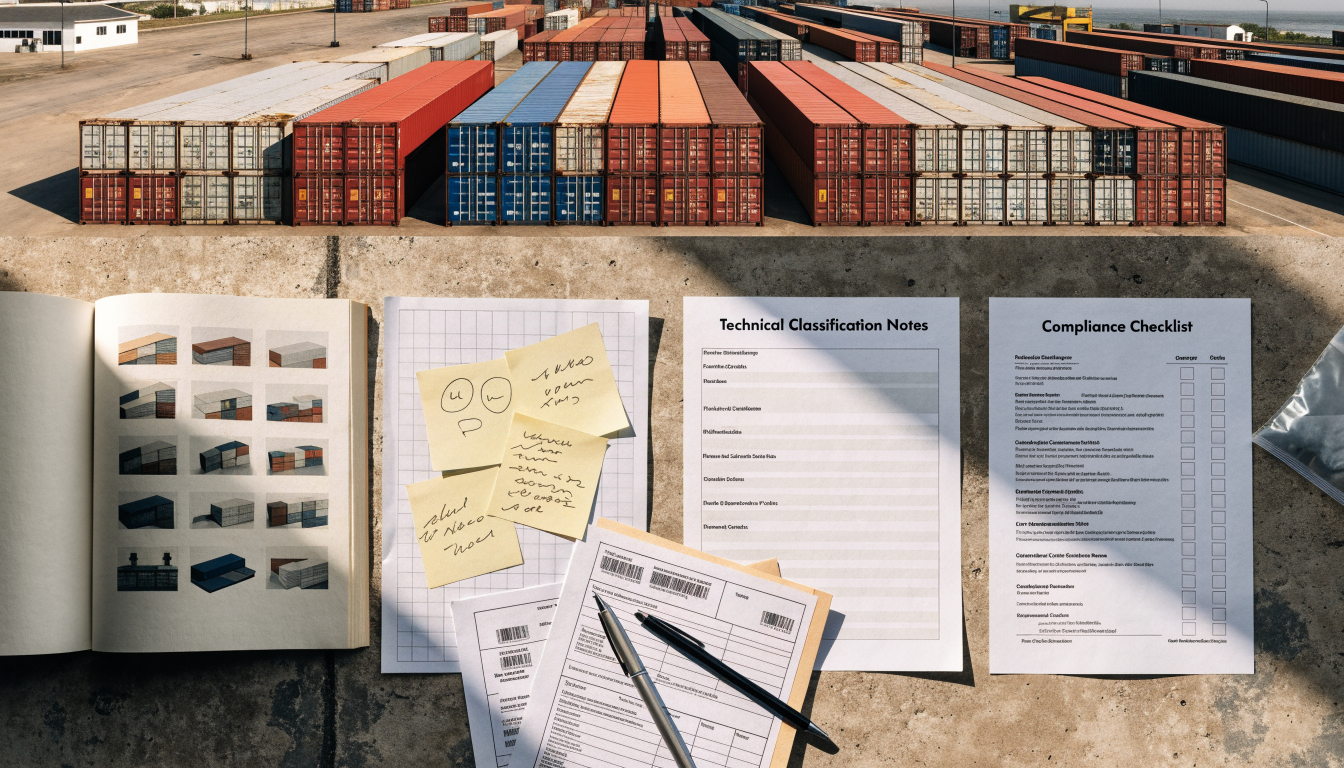
The most reliable import assessment begins with a product master rather than a shipping date. Each item should have a technical description, materials or ingredients, function, specifications, model or variant, country of origin, intended user, and intended use in Indonesia. Those facts support an HS-code analysis and determine which ministries or agencies may regulate the goods.
The official Indonesia National Trade Repository is the appropriate starting point for checking restrictions and requirements attached to a classification. However, database results are only as good as the classification and product facts entered. Similar-looking products can fall under different headings because of composition, function, presentation, or technical characteristics.
Product-level approvals that may apply
Depending on the item, the import route may involve an import approval, surveyor report, technical recommendation, BPOM registration or import certificate, mandatory SNI evidence, quarantine documentation, telecoms or radio-frequency approval, halal-related planning, or another sector control. Some rules apply before import, some before circulation or sale, and some at both stages. The company should map the sequence instead of treating every approval as a post-arrival task.
For a broader product-focused assessment, see IndoGateway’s import and product compliance services and its practical guide to importing products into Indonesia.

Two Main Routes for a Foreign Business
Route 1: Import through your own Indonesian company
A foreign investor may establish or use an Indonesian company, often a foreign investment company where the investment structure permits, and align its KBLI activities, OSS licensing, NIB importer function, customs access, facilities, tax administration, and product approvals. This route provides greater control over suppliers, landed cost, inventory, data, and distribution. It also brings ongoing corporate, tax, customs, reporting, warehousing, and product-compliance obligations.
Owning a local entity does not by itself create permission to import every product. Foreign ownership eligibility, business scope, importer profile, sector requirements, and the relationship between importing and downstream trading must be checked as one operating model.
Route 2: Appoint a licensed local importer
A foreign supplier may work with an Indonesian distributor, specialist importer, or other qualified local counterparty whose licences and product scope match the goods. The local party becomes the named importer and assumes the regulatory responsibilities attached to that role. This route can reduce the need for immediate entity setup, but it shifts control over customs declarations, permits, stock release, and sometimes product registrations or market authorisations.
The contract should address product ownership, title and risk, declared value, duties and taxes, records, inspections, recalls, rejected shipments, insurance, data access, use of licences, termination, and the status of product registrations. A commercial label such as “importer of record service” does not replace a licence-scope review. Read the comparison between an Indonesian importer and distributor before combining the roles by default.
A Practical Import-Licensing Workflow
- Define the transaction. Record who sells, buys, imports, owns the goods at each stage, pays duties and taxes, stores stock, and distributes locally.
- Build the product master. Gather specifications, composition, intended use, brand and model data, origin, manufacturer details, and supporting certificates.
- Confirm HS classification. Use defensible technical analysis and check the official trade repository for restrictions, prohibitions, and documentary requirements.
- Select the importer. Test whether an own-entity or local-partner model gives the necessary legal eligibility, operational control, and commercial continuity.
- Align business licensing. Verify KBLI activities, risk-based licences, NIB importer profile, customs access, and any required supporting business permissions.
- Complete product approvals. Obtain registrations, import approvals, technical recommendations, survey requirements, or sector certificates that apply before dispatch.
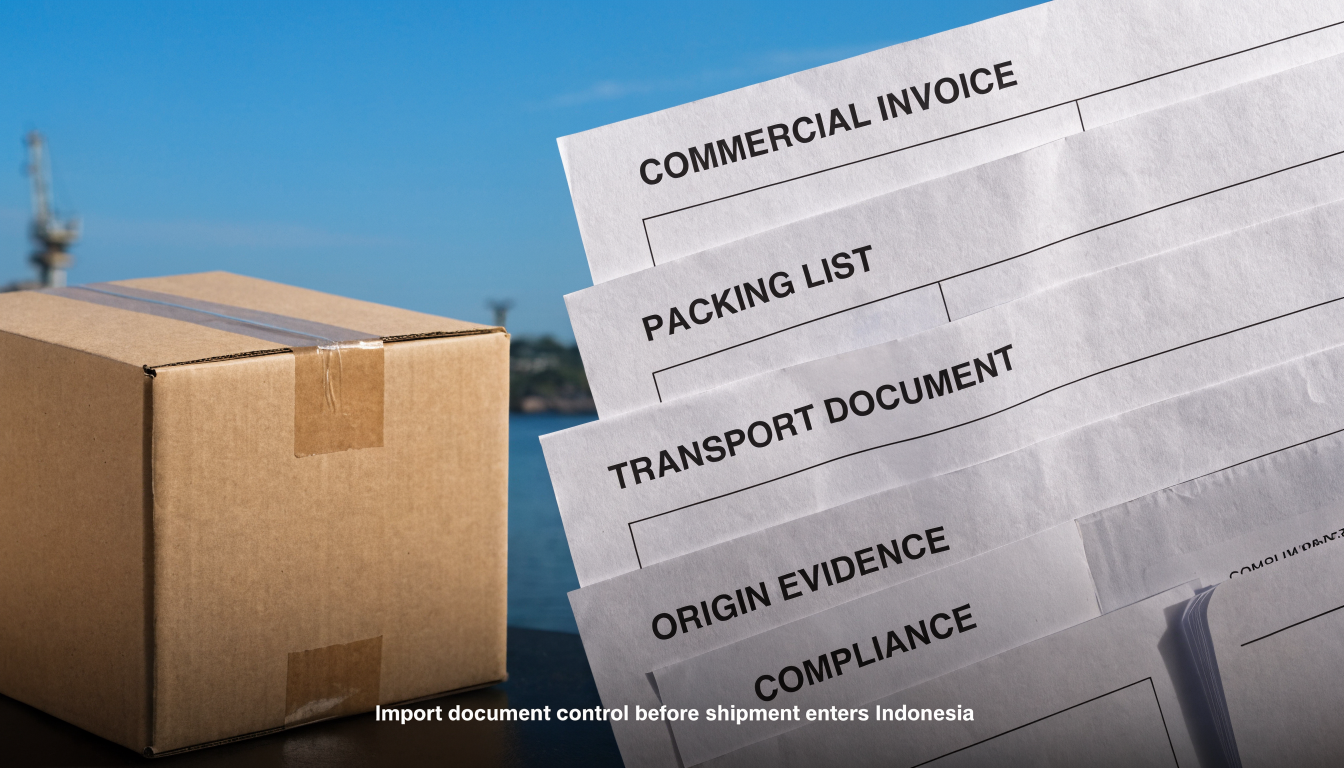
- Design documentary controls. Reconcile the purchase order, invoice, packing list, transport document, origin evidence, permits, product identifiers, and customs data.
- Run a pre-shipment release gate. Authorise loading only when the importer and its customs representative confirm that the file is complete and current.
Pre-Shipment Control: The Step That Protects the Project
Indonesia Customs describes an import declaration, or PIB, as the declaration used to fulfil import customs obligations and identifies supporting documents such as the invoice, packing list, bill of lading or air waybill, product-identification documents, and evidence of import requirements. Its official explanation of imports for use is a useful reference for documentary planning.
Before dispatch, reconcile names, addresses, tax identifiers, Incoterms, currency, quantities, weights, values, HS codes, origin, permit numbers, models, and product descriptions. Confirm that registrations belong to the correct applicant and cover the exact variant. Verify that approvals remain valid for the planned import date and port. Any mismatch should be resolved before cargo becomes exposed to storage, demurrage, amendment, return, or enforcement risk.
A customs broker can prepare and lodge declarations within its authority, but management should not outsource the underlying truth of the transaction. The importer remains dependent on accurate product data, defensible valuation, correct classification, and authentic supporting documents.
Common Mistakes Foreign Companies Should Avoid
- Assuming the NIB is a universal import permit. Product controls and company-scope requirements still apply.
- Choosing an HS code from a supplier’s old invoice. Classification must reflect the product and Indonesia’s tariff framework.
- Shipping while an approval is pending. Application submission is not the same as approval unless an official rule expressly provides otherwise.
- Using an importer whose licences do not match the goods. The importer’s actual eligibility should be documented, not inferred from a general company profile.
- Ignoring who controls the product registration. A registration held by a distributor can become a major issue when the relationship ends.
- Treating customs, tax, and product compliance as separate projects. Declared value, importer identity, title, invoicing, and local sales must form one coherent record.
- Relying on a fixed lead-time promise. Timing depends on product scope, data quality, agency review, inspections, system readiness, and corrections.
Questions to Resolve Before Choosing an Import Route
Management should agree on the answers to these questions before signing with a distributor or incorporating a company:
- Will the goods be resold, used in production, installed for a customer, demonstrated, tested, repaired, or re-exported?
- Which party should own inventory and carry obsolescence, recall, and product-liability exposure?
- Does the planned Indonesian business scope support importing and downstream commercial activity?
- Which registrations are tied to the Indonesian applicant, and what happens to them on termination?
- Can the importer provide declaration data, duty evidence, permit records, and audit cooperation?
- Are the product label, packaging, warranty, after-sales, and local standards workstreams ready?
- What volume and market duration justify building an owned import platform?
These decisions turn licensing from an isolated administrative task into an operating design. IndoGateway’s Indonesia import licence support can help coordinate the entity, OSS, customs, and product workstreams.
Frequently Asked Questions
1. Does an NIB automatically allow a company to import any product into Indonesia?
No. An NIB is a core business identifier and may reflect the importer identity and customs access, but it is not a blanket authorisation for all goods. The company’s registered KBLI activities, risk-based licences, importer profile, customs status, and actual operating model must support the transaction. The goods must then be checked by HS code and technical characteristics for prohibitions, restrictions, import approvals, product registrations, standards, quarantine, or other controls. A reliable review therefore tests the company and the product together before the shipment is booked.
2. What is the difference between API-U and API-P?
API-U generally refers to the importer profile used for goods imported for trading or distribution, while API-P generally concerns a producer importing goods for its own production process or operational requirements. The distinction affects how imported goods may be used and should align with the company’s licensed activities. It is not advisable to choose between the profiles based only on convenience. The correct treatment depends on the KBLI classifications, business model, product, intended use, and current trade rules, all of which should be verified in OSS and the applicable official regulations.
3. Can a foreign company import into Indonesia without establishing a local entity?
A foreign supplier can often sell into Indonesia by appointing an eligible Indonesian importer rather than establishing its own local company. In that model, the Indonesian party is the named importer and must have the appropriate business licensing, importer function, customs access, and product-specific permissions. The foreign company should carefully contract for product-registration control, data access, declared value, taxes, recalls, rejected goods, and termination. Whether this route is suitable depends on product regulation, sales structure, volume, desired control, and whether the appointed party may lawfully perform all planned roles.
4. How do I know whether a product needs an additional import approval?
Begin with a defensible HS classification supported by the product’s materials, ingredients, function, specifications, presentation, and intended use. Then check the current requirements in the Indonesia National Trade Repository and the rules of the competent ministry or agency. Do not rely solely on a supplier’s classification or a prior shipment in another country. Product controls can differ by tariff heading, origin, condition, end use, and importer type. For uncertain or high-value goods, obtain specialist classification and regulatory review before entering a purchase commitment or dispatching cargo.
5. Is a freight forwarder or customs broker the same as the importer?
No. A freight forwarder coordinates transport, while a customs broker may prepare or submit declarations under an authorised arrangement. The importer is the party identified in the import transaction and responsible for the obligations attached to that position. One service provider may offer several functions, but the legal and contractual roles should still be separated and verified. Foreign businesses should confirm whose NIB and permits are used, who signs the declaration, who pays and records duties and taxes, who owns the goods, and who retains the customs and compliance file.
6. How long does it take to obtain an import licence in Indonesia?
There is no responsible universal timeline because “import licence” can include entity readiness, KBLI alignment, OSS licensing, NIB activation, customs access, product registration, technical recommendations, and commodity approvals. Timing also depends on whether the company already exists, the accuracy of its data, the product category, agency review, inspections, testing, and the need for corrections. A useful project plan separates each dependency, identifies which tasks can run in parallel, and sets shipment release only after the required approvals have been issued and verified as applicable to the exact goods.
7. What documents are normally checked before commercial import clearance?
The exact file depends on the goods and transaction, but it commonly includes the import declaration, commercial invoice, packing list, bill of lading or air waybill, and product-identification documents. Origin evidence, insurance, contracts, import approvals, surveyor reports, product registrations, certificates, test reports, or technical recommendations may also be required. Names, addresses, values, currency, quantities, weights, HS codes, product models, and permit references should match across the file. The importer and its customs representative should confirm the final checklist against current official requirements before the goods leave origin.
8. Should a business use its own importer licence or a local import partner?
The choice depends on scale, control, product regulation, investment plans, margin, tax and inventory design, and the importance of owning licences and market data. An own-entity route can provide more control and continuity but creates corporate, licensing, customs, tax, staffing, reporting, and compliance obligations. A local importer can reduce initial infrastructure but creates dependency on that party’s eligibility, performance, records, and willingness to cooperate. Compare both options over the expected market life, not only the first shipment, and document exit rights for product registrations, stock, customer information, and regulatory records.
Conclusion
An import license in Indonesia is best understood as a coordinated permission set rather than a single certificate. The importer’s entity and business scope, NIB and customs position, product classification, commodity approvals, product registrations, tax treatment, and shipment records must tell the same story. Foreign businesses that resolve those elements before ordering stock are better placed to protect launch timing and commercial control.
Regulatory note: Indonesian investment, licensing, tax, immigration, product, environmental and operating requirements may change and may depend on the business activity, ownership structure, location, products and project circumstances. This article provides general information and is not project-specific legal, tax or regulatory advice. Applicable requirements should be verified before implementation.
Plan Your Indonesia Import Route With IndoGateway
IndoGateway helps foreign companies connect importer strategy with entity setup, OSS licensing, customs readiness, product compliance, and local distribution planning. To assess a product list and identify the workstreams that should be completed before shipment, contact IndoGateway.